

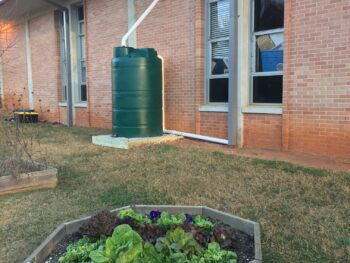

Rainwater harvesting meets stormwater management requirements, lowers operating costs, and improves resiliency.
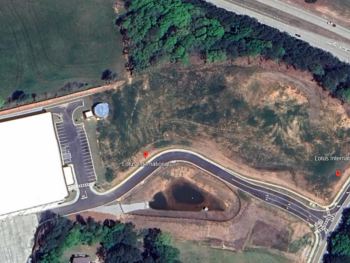
Private water storage for fire protection allows businesses to lower initial costs while meeting insurance requirements.

Stormwater Management With an ROI Tech Square 3 (TS3) — George Tower | Scheller Tower — is one of Georgia Tech’s biggest recent additions to Midtown Atlanta: two connected towers (18 stories and 14 stories) delivering 400,000+ square feet of new academic, research, and collaboration space. Alongside the architecture and program, TS3 carries a sustainability […]
As I am writing this, the forecast is highs in the mid 90s all week. No wonder we got a question about using condensate yesterday. Condensate is great water to use on your lawn, or wherever you want. A good rule of thumb is that Your air conditioner will generate about a gallon of water […]

Yes — rainwater harvesting is completely legal in Georgia and actively supported for non-potable uses like irrigation, toilet flushing, and fire protection. The state encourages sustainable water practices, and rainwater systems can help reduce runoff and water bills. Projects must follow basic plumbing codes and should use proper filtration and backflow prevention if connected to indoor systems. Always consult your local municipality or county for specific permitting guidelines.

Correctly sizing a fire protection tank is critical to meeting NFPA 22 standards and ensuring adequate water availability during an emergency. Tank size is typically determined by required fire flow, system demand duration, and refill capabilities. Engineers must consider factors like the occupancy hazard classification, distance from municipal water sources, and pump capacity. Always consult local fire codes and AHJs (Authorities Having Jurisdiction) when finalizing specs.

Gray water treatment of splash pad runoff allows the water to be reused for keeping the law beautiful.