
Read Our Best Articles
Get our Best Tips Delivered to our Inbox

Gray water treatment of splash pad runoff allows the water to be reused for keeping the law beautiful.
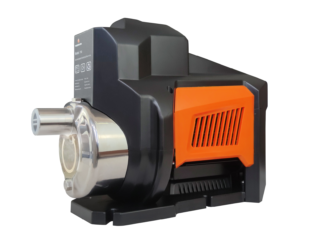
Georgia Water Tanks now stocks the Tigerflow Ocelot VFD pump system. We loved the Grundfos MQ pump, but it was discontinued some time ago, and reviews of its replacement have been poor. So we are glad to introduce the Ocelot! https://buff.ly/3UCRx6F

Maybe one day I’ll see a concrete cistern that it doesn’t crack.
Mystery of why Roman buildings have survived so long has been unraveled, scientists say

Stormwater Management With an ROI Tech Square 3 (TS3) — George Tower | Scheller Tower — is one of Georgia […]
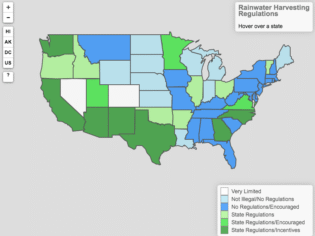
Yes — rainwater harvesting is completely legal in Georgia and actively supported for non-potable uses like irrigation, toilet flushing, and fire protection. The state encourages sustainable water practices, and rainwater systems can help reduce runoff and water bills. Projects must follow basic plumbing codes and should use proper filtration and backflow prevention if connected to indoor systems. Always consult your local municipality or county for specific permitting guidelines.
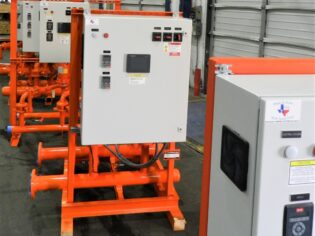
For years I've had to listen to my pump system manufacturer tell me that their systems work great without pressure tanks. All the while, having to supply pressure tanks on almost every system, in order to make the work correctly. Now I can finally tell you the truth: you need a pressure tank with a booster system! Your alternative is high pressure swings or wasted energy.
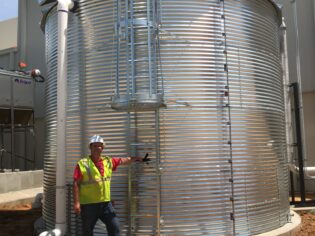
We had such a great experience building tanks in the Columbia, SC, area, and Asheville, NC, area, that we want […]
As I am writing this, the forecast is highs in the mid 90s all week. No wonder we got a […]
This one was small enough that a day tank was unnecessary. What we call the "straight shot" design is appropriate […]
Enjoyed These Articles?
Get New Ones Straight to Your Inbox.