
Rainwater Harvesting for Community Gardens
Rainwater Harvesting Design Recommendations for Community Gardens
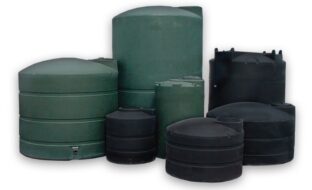
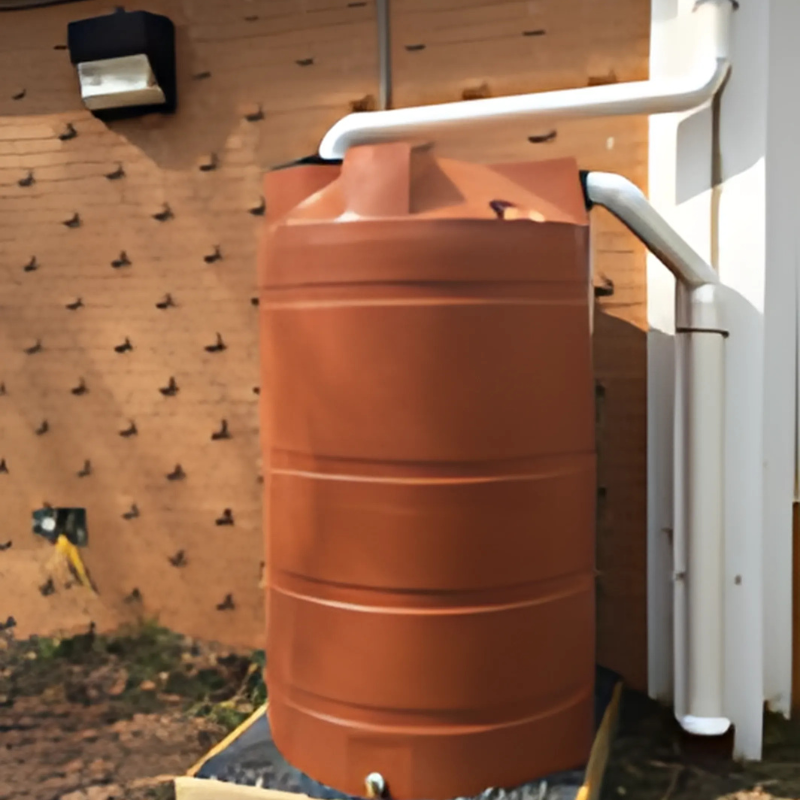
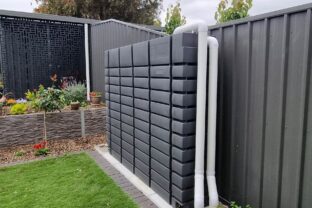
Size the collection tank and surface based on the 1:1:1 ratio. For every 1 square foot of garden, you need 1 gallon of storage and 1 square foot of rooftop. A larger tank or collection surface is better and more resilient, but the 1:1:1 ratio is a solid starting point.
Know your roof’s yield with the .623 rule. Every 1 inch of rain on 1 square foot of roof can yield .623 gallons. A 1,000 square foot roof captures over 600 gallons from a single 1-inch rain. Multiply roof footprint by rainfall in inches by .623, then by a collection efficiency of roughly 80-95%. Metal roofs sit at the high end and asphalt shingles toward the low end. Use the horizontal footprint, not the sloped surface.
Build to the ARCSA standard. ARCSA/ASPE/ANSI 63 is the national standard for rainwater catchment systems, and it covers irrigation. It calls for prefiltration, a calming inlet, a floating intake, and a skimming overflow. We design our community garden systems around those elements.
Follow best practices for edibles. Rooftops can carry bacteria, bird droppings, and other contaminants into the tank. Clemson Extension’s Guidance for irrigating edibles with harvested rainwater recommends:
- Apply water to the soil, not onto leaves or fruit, preferably with drip irrigation.
- Water in the morning.
- Screen all tank openings against mosquitoes and animals.
- Label spigots “Do Not Drink.”
- Wash produce with potable water before eating it.
Prefilters keep the system clean. Self-cleaning options like the Intewa Purain or Leafeater Advanced need little upkeep. A basket filter in the manway of the tank is the most popular choice, but it needs cleaning several times in the fall and at least once in the spring. A first flush diverter sends the dirtiest water from the start of a rain away from the tank. Clemson’s guidance sizes it at about one gallon per 100 square feet of roof.
Skip the IBC “tote.” Many people try IBC containers because they are cheap, but algae, sediment clogging, and mosquitoes are common. You need to filter the water before it enters the tank, and the tank material has to block light.
Plan the pump for your irrigation. Many of our community garden projects use the Grundfos SBA pump. It is self-contained and automatic, and winterizing is as simple as unplugging the electrical cord. It may be undersized for automatic irrigation systems, or when running more than 2-3 hoses at once. For larger gardens, we size a booster pump to the irrigation demand.
Other Alternative Water Sources

Ready to Design?
Custom Rainwater Systems
No two rainwater-harvesting projects are alike. Roof area, site layout, water demand, available space, local codes, and intended use all affect the right system design. That is why Georgia Water Tanks does not take a cookie-cutter approach to system planning.
Using our CAD design process, we can create complete 3D system layouts that help customers, installers, engineers, and builders visualize the equipment, piping, tank placement, filtration, pumps, and controls before installation begins. A detailed design helps identify the right components early and makes coordination in the field easier.
With more than 14 years of rainwater-harvesting experience, we select from proven, top-quality products and configure them to fit the needs of each project. From tanks, prefiltration & pumps to treatment racks & controls to municipal-water backup components can be specified à la carte or combined into a complete custom system based on your site, budget, and water-use goals.


