GeorgiaWaterTanks

Is Rainwater Harvesting Legal in Georgia?

Is Rainwater Harvesting Legal in Georgia?

Rainwater Harvesting in Georgia: 2025 Standards, Certifications & Sustainable Practices

As Georgia continues to face challenges related to water scarcity and urban flooding, rainwater harvesting has emerged as a viable solution for sustainable water management. With updated state guidelines, city ordinances, and professional certifications, residents and professionals alike are turning to rainwater harvesting to conserve water and manage stormwater effectively.

Legal Framework for Rainwater Harvesting in Georgia

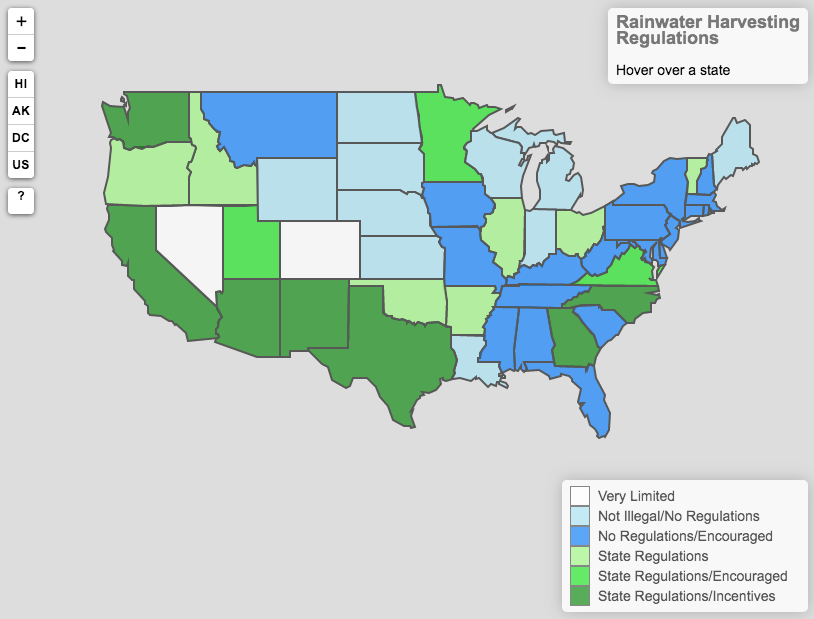
Rainwater harvesting is legal in Georgia and is encouraged for non-potable uses such as irrigation, toilet flushing, and fire protection. The Georgia Department of Natural Resources (DNR) oversees the regulations, ensuring that systems are designed and implemented safely and effectively. In 2010, Georgia passed House Bill 1069, providing income tax credits for water conservation equipment, including rainwater harvesting systems .

Georgia’s Rainwater Harvesting Guidelines: 2025 Updates

The Georgia Stormwater Management Manual, often referred to as the “Blue Book,” provides comprehensive guidelines for stormwater management, including rainwater harvesting practices. The 2025 updates emphasize the importance of managing the first inch of rainfall on-site to reduce runoff and improve water quality . These guidelines recommend the use of green infrastructure and low-impact development techniques to achieve these goals.

Additionally, the Georgia Environmental Protection Division (EPD) has released updated checklists for plan reviews, emphasizing the need for proper design and maintenance of rainwater harvesting systems . These updates aim to streamline the permitting process and ensure compliance with state regulations.

City of Atlanta’s Stormwater Management Policies

The City of Atlanta has implemented progressive stormwater management policies to address urban flooding and water quality issues. Since 2013, Atlanta’s ordinance requires all new developments and significant renovations to manage the first inch of rainfall on-site using green infrastructure . This approach reduces the burden on the city’s drainage systems and promotes the use of sustainable practices like rainwater harvesting.

Atlanta’s Department of Watershed Management continues to invest in stormwater projects, including the construction of stormwater ponds and underground storage vaults, to mitigate flooding risks . These initiatives highlight the city’s commitment to sustainable water management and resilience against climate change impacts.Axios

Professional Certifications: ARCSA and ASSE Standards

For professionals involved in the design, installation, and inspection of rainwater harvesting systems, obtaining certification ensures adherence to industry standards and best practices. The American Rainwater Catchment Systems Association (ARCSA), in partnership with ASSE International, offers certifications for various roles.

  • Rainwater Catchment Systems Installer (ASSE 21110)
  • Requires a minimum of three years of practical experience and completion of a 16-hour training course covering ARCSA/ASPE/ANSI 63-2013 standards
  • ASSE International+6
  • ASPE+6
  • Rainwater Catchment Systems Inspector (ASSE 21130): Designed for individuals with at least two years of experience, this certification involves an 8-hour training course and a 50-question exam .ASSE International
  • Rainwater Catchment Systems Designer (ASSE 21120): Aimed at professionals responsible for system design and planning, this certification requires a 16-hour training course and a 100-question exam .

These certifications ensure that professionals are equipped with the knowledge and skills to implement rainwater harvesting systems that comply with current standards and regulations.

Benefits of Rainwater Harvesting

Implementing rainwater harvesting systems offers numerous advantages:

  • Water Conservation: Reduces reliance on municipal water supplies, preserving freshwater resources.
  • Stormwater Management: Mitigates urban flooding by capturing and reusing rainfall, decreasing runoff volumes.
  • Cost Savings: Lowers water bills and provides potential tax incentives for system installation.
  • Environmental Protection: Decreases the strain on sewage systems and reduces pollution in waterways.

Implementing Rainwater Harvesting Systems

When planning a rainwater harvesting system, consider the following steps:

  1. Assessment: Evaluate the catchment area, typically the roof, to estimate potential water collection volumes.
  2. Design: Plan the system layout, including gutters, downspouts, storage tanks, and distribution mechanisms.
  3. Permitting: Consult local authorities to obtain necessary permits and ensure compliance with regulations.
  4. Installation: Hire certified professionals to install the system according to established standards.
  5. Maintenance: Regularly inspect and maintain the system to ensure optimal performance and water quality.

Rainwater harvesting in Georgia is not only legal but also supported by updated state guidelines and city ordinances aimed at promoting sustainable water management. By adhering to professional standards and obtaining relevant certifications, individuals and organizations can contribute to water conservation efforts and mitigate urban flooding risks.

For more information on certifications and guidelines, follow the links below:

Jonathan Barber
Jonathan Barber | Georgia Water Tanks

📣 Stay Connected with Georgia Water Tanks

If you enjoyed this article, follow us for more insights on rainwater harvesting designs, fire protection tanks, booster pumps, stormwater management, dry well chambers, and more.

đź›’ Visit Our Online Store
📝 Request a Quote
📬 Subscribe for Updates

đź”— Connect with me:
Instagram
Facebook
Twitter
LinkedIn

đź’§ Stay in the Flow with Georgia Water Tanks
  Thank you for Signing Up


Is Rainwater Harvesting Legal in Georgia? Read More »

Fire Tanks

Fire Protection Tank Design Guide

Fire Protection Tank Design Guide

Georgia Water Tanks | Fire Protection

Step 1: Assess Local Regulations

First, check local regulations regarding fire protection tank systems. It’s crucial to ensure compliance with local codes.

Step 2: Tank Sizing

Let’s start with tank sizing! The tank should be sized based on your estimated water demand and the fire flow requirements outlined in local codes. Typically, the Authority Having Jurisdiction or sometimes the Insurance Underwriter, makes the final decision.

Do you have required tank volume?”

Step 3: Choose Tank Type

Now, consider the type of tank you will need. Common types include:

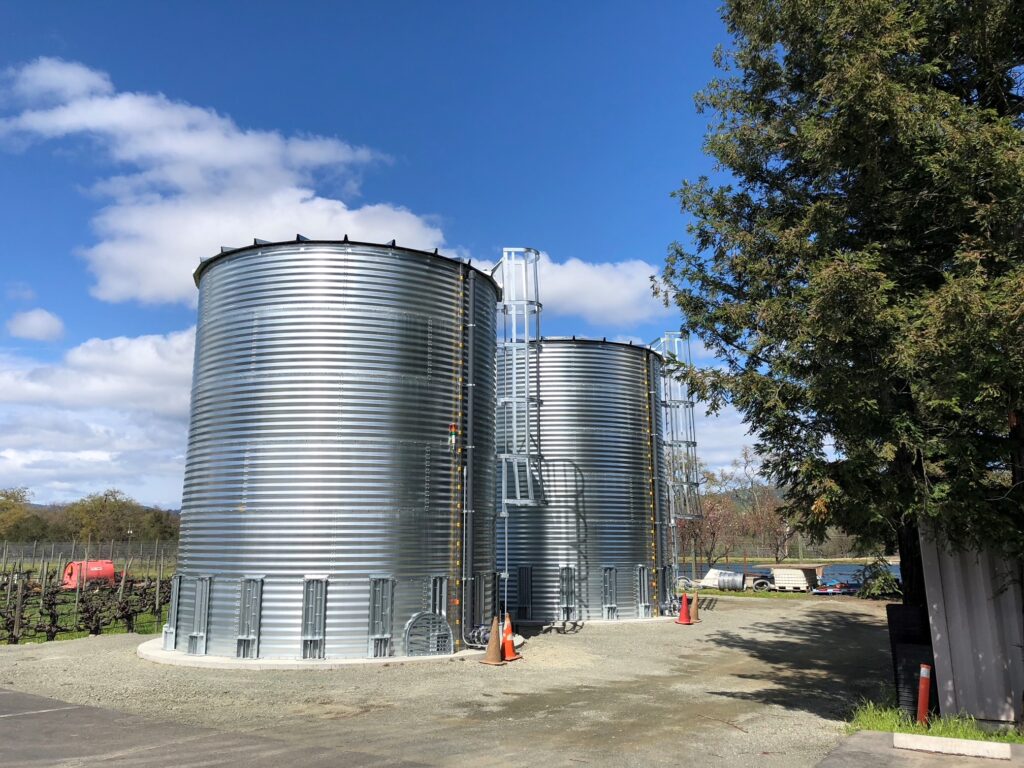
Above-Ground Tanks – Generally speaking, above-ground tanks are less expensive than underground tanks. However, they require freeze protection in most of the USA. Also, the tank size is significant, and require space and aesthetic considerations.

Welded Steel – These tanks are still the industry standard, but are becoming less common due to the rise in popularity of the corrugated steel liner tanks. Common complaints about welded steel tanks are the high cost, long lead times, relatively short warranty period, and maintenance requirements.

Bolted and Gasketed Steel – Another legacy product. These tanks generally meet all the approvals.

Corrugated Steel with Liner – Usually less expensive to buy and maintain, and also with a longer warranty, Corrugated Steel Tanks are quickly rising in popularity. However, the construction method does not meet the prescriptive aspects of the NFPA-22 and AWWD103 standards. Many local officials are are approving them.

Underground Tanks

Concrete – Unlimited in size and configuration, but relatively expensive to install and maintain.

Fiberglass – By far the most common underground tank type, but still expensive to install.

Step 4: Available Tank Sizes

Now let’s look at available tank sizes for all types:

Underground Fiberglass Tanks: https://georgiawatertanks.com/products/underground-water-tank-cistern/

Above-Ground Corrugated Steel Liner Tanks: https://georgiawatertanks.com/design/above-ground-steel-tanks-models-and-sizes/

Have you found a suitable tank size for your fire protection system?

Step 5: Tank Interconnection

Connect your tanks using flexible piping to ensure proper water flow and access for maintenance.

Step 6: Pump Selection

For fire protection systems, ensure you select a pump that meets the flow rate and pressure requirements for your specific application.”

Do you need assistance in choosing the right pump?

Step 7: Freeze Protection

If you’re in a region where temperatures may fall below 40°F, you will need to consider adding insulation or a heating element to prevent freezing. Local code officials will often waive the requirement, here it Georgia. Would you like more information on freeze protection options?

Conclusion

Thank you for your interest in fire protection tank systems! If you have more questions or need further assistance, just let me know!

Fire Protection Tank Design Guide Read More »