
Read Our Best Articles
Get our Best Tips Delivered to our Inbox

Stormwater Management With an ROI Tech Square 3 (TS3) — George Tower | Scheller Tower — is one of Georgia […]
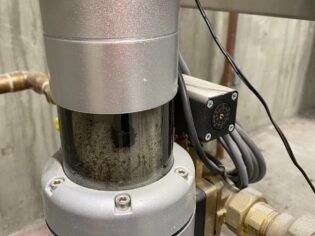
This one was small enough that a day tank was unnecessary. What we call the "straight shot" design is appropriate […]
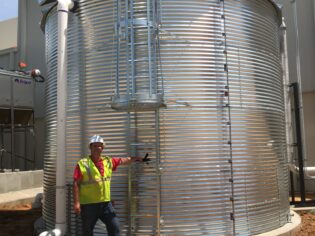
We had such a great experience building tanks in the Columbia, SC, area, and Asheville, NC, area, that we want […]
As I am writing this, the forecast is highs in the mid 90s all week. No wonder we got a […]
Awww. Love that beer, but I haven’t seen it in a long time. Historic Anchor Brewing Co. is closing after 127 years, with beer sales in decline

Maybe one day I’ll see a concrete cistern that it doesn’t crack.
Mystery of why Roman buildings have survived so long has been unraveled, scientists say
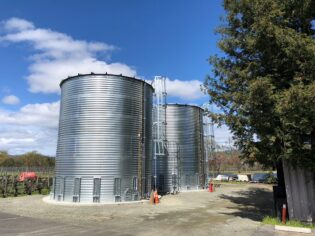
Correctly sizing a fire protection tank is critical to meeting NFPA 22 standards and ensuring adequate water availability during an emergency. Tank size is typically determined by required fire flow, system demand duration, and refill capabilities. Engineers must consider factors like the occupancy hazard classification, distance from municipal water sources, and pump capacity. Always consult local fire codes and AHJs (Authorities Having Jurisdiction) when finalizing specs.

Well lookie there, we supplied equipment on all the winning projects! Snuck in booster on TK Test Tower.
2022 Chrysalis Award recipients announced (USGBC Georgia) | U.S. Green Building Council

Rainwater harvesting meets stormwater management requirements, lowers operating costs, and improves resiliency.
Enjoyed These Articles?
Get New Ones Straight to Your Inbox.